

Americans Optimistic About Stock Market, Fear Inflation and Job Loss
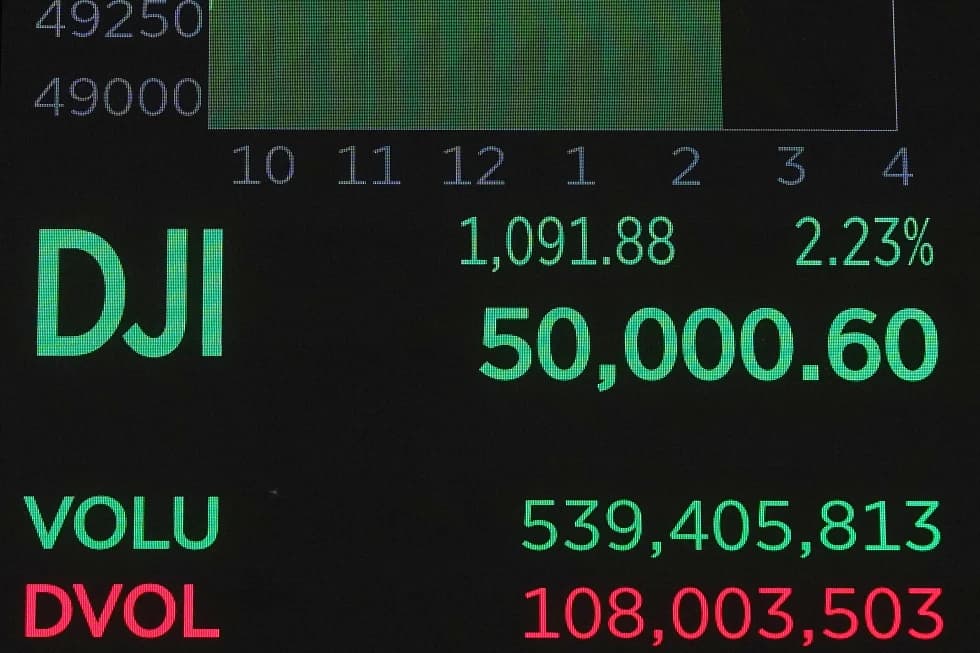
During the Biden administration, economic concerns intensified, becoming a significant drag on his presidency and contributing to a term-low approval rating of 37.1% during the inflation surge in the summer of 2022. One year into the Trump administration, there is renewed optimism about the stock market and economic growth, but concerns about unemployment and inflation persist.
According to the latest January Gallup poll, 50% of U.S. adults expect the stock market to rise over the next six months, while only 25% expect it to fall. Similarly, for economic growth, 49% think it will increase, while only 36% think it will decline. Over the past six months, both metrics have improved considerably. The S&P 500 has risen 9.4%, and inflation-adjusted GDP increased 4.4% in the third quarter of 2025 and is projected to have risen 4.2% in Q4, according to the Atlanta Federal Reserve Bank. In January 2023, expectations were reversed, with 48% saying the stock market would go down and 31% saying it would go up.
However, concerns about inflation and unemployment continue to depress Americans’ feelings about the economy. Fifty percent say they think unemployment will rise, and 62% say inflation will increase, while only 32% and 26%, respectively, think those metrics will decline. Over the past six months, inflation has remained steady at around 2.7% to 2.8%, and unemployment has shown signs of creeping upward but has remained between 4.3% and 4.5%.
These concerns about rising unemployment and inflation have contributed to continued economic pessimism. According to the latest Economist/YouGov poll, only 24% say the economy is getting better, while 50% say it is getting worse.
One important indicator of economic perception is the disparity between income brackets. According to the Economist poll, 24% of those earning more than $100,000 per year say they are better off financially than they were a year ago, while only 10% of those earning $50,000 or less say the same. This reflects differences in stock market ownership, as the top 10% of earners own 88% of stocks and mutual funds, while the bottom 50% own only 1%. This means the upside of rising stock prices and GDP growth is experienced by only a portion of Americans.
Another factor shaping today’s economic outlook is Americans’ long-standing tendency toward economic pessimism. One year ago, in the Economist poll conducted Feb. 9-11, only 24% said the economy was in excellent or good condition. At the same time, just 23% said the economy was getting better, while 41% said it was getting worse. One year later, however, 28% say the economy is in excellent or good shape, an increase from the prior year, despite more respondents still saying it will get worse rather than better.
All of this suggests that Americans remain skeptical about the economy moving forward, largely because of broader, long-standing pessimism, as well as the fact that most do not benefit from the areas where the economy is performing well.
To help the economy, a January Economist poll found that 48% believe the Federal Reserve should lower interest rates, while 18% say rates should remain unchanged, and 3% say they should be raised. However, despite greater alignment with President Trump’s position than with that of Federal Reserve Board Chairman Jerome Powell, 44% say they trust Powell more to set interest rates, compared with just 18% who say the same of the president.
Lowering interest rates could help make homes more affordable and allow businesses to borrow more cheaply, spurring economic activity and job growth. However, it could also lead to higher inflation, which is why the Federal Reserve has not cut rates as much as Trump would like.
State of Union
.