

Iran Conflict Sends Oil Higher, Risks New Inflation Spike
Since the beginning of 2022, Americans across almost every poll have ranked the economy/inflation as the most important issue. At the start of the year and in the State of the Union, it appeared that President Trump was attempting to address the affordability question, with multiple executive orders aimed at lowering the cost of housing, credit card rates, and other expenses.
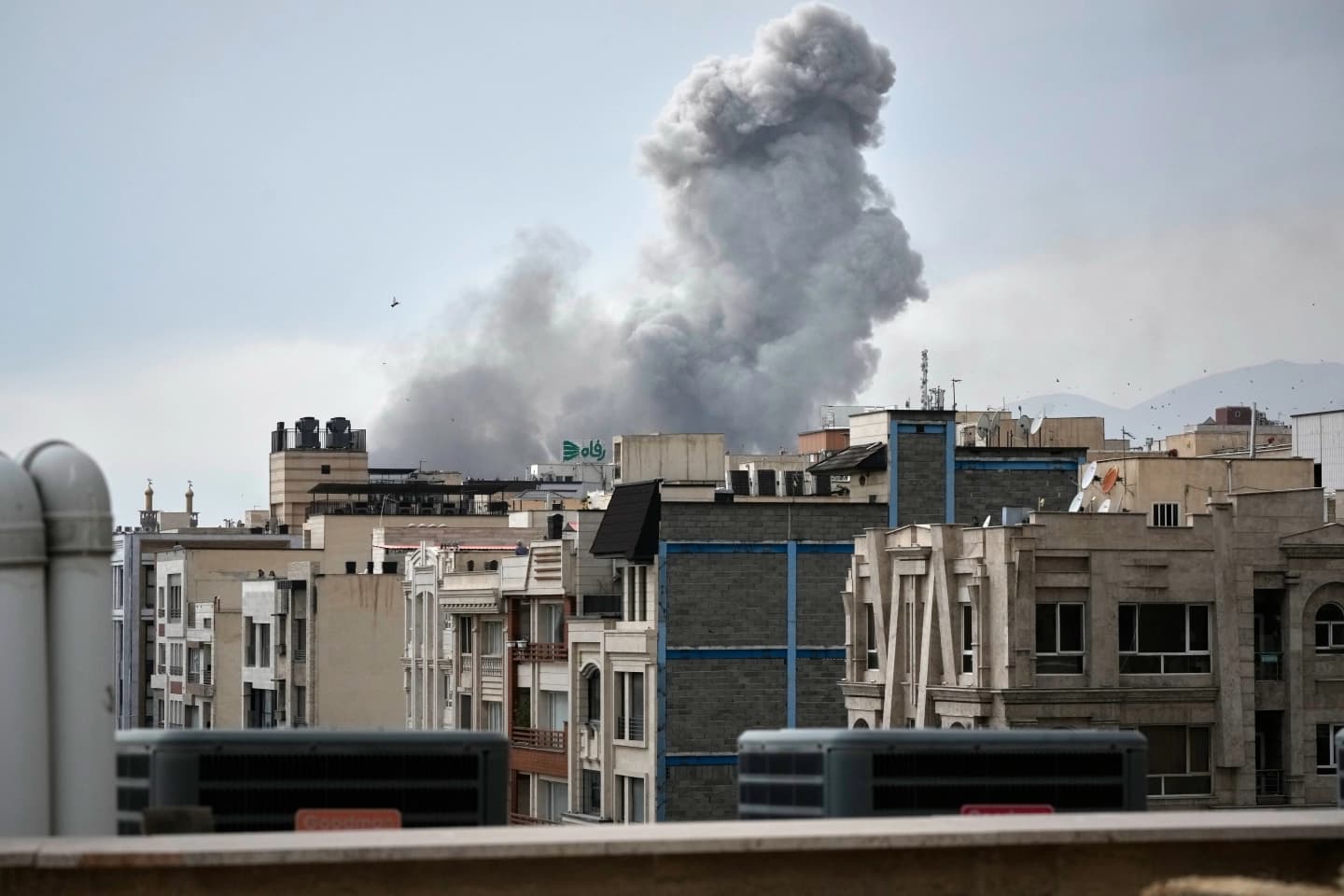
However, with the outbreak of conflict with Iran and the Israeli targeting of Iranian fuel depots over the weekend, oil prices are rising sharply. If sustained, the increase could reignite inflation and push Trump’s approval ratings lower, much as high inflation did to Biden, unless his efforts to bring prices down are successful.
One year into Biden’s term, his approval fell to around -11, down from the +20 he had at the start of his presidency. By July, it had dropped even further to -20.7, with only 36.8% approving. At that time, WTI crude oil prices rose to $115 per barrel, and the Bureau of Labor Statistics reported inflation running at approximately 9%.
Similar to the Russia-Ukraine war-induced oil price spike, the initial Iran strikes on Feb. 28 caused prices to rise slightly. A week into the war, on March 8 and 9, they spiked to $115 per barrel after Israel targeted Iranian fuel depots.
Prices quickly fell, however, after Trump said Monday that the war was “very complete, pretty much,” CBS reported. Still, prices remain elevated above where they were before the strikes, at around $88 per barrel, up from $67 before the war started. Betting markets early Monday had the peak oil price forecast for 2026 at $150 per barrel, though that fell to $115 after Trump’s statement.
Similar to policies pursued during the Biden administration, the G7 is also considering releasing part of its strategic oil reserves. According to CNBC, between 300 million and 400 million barrels could be released, roughly 25% to 30% of the group’s 1.2 billion barrels in reserve.
Another key variable is whether shipping traffic resumes through the Strait of Hormuz. Around 20% of global liquefied natural gas trade passes through the strait, which is effectively closed because of the risk of Iranian missile or drone attacks. Trump has said ships should begin transiting the strait again, but also indicated he is still “thinking about taking it over” to provide additional security guarantees.
If oil prices spike again or even remain elevated around $80 to $90 per barrel, that could become a significant political problem for Trump. According to the latest Economist/YouGov poll, inflation remains the most important issue for 22% of Americans, followed by jobs and the economy at 14%, which would also be affected by higher energy costs. Both issues significantly outrank foreign policy and national security, which are top concerns for only 1% and 6% of Americans, respectively.
The challenge with oil prices and inflation, as the Trump administration has grappled with over the past year, is that even a temporary spike can have lasting effects, because even when inflation falls back to normal levels, the higher prices caused by that inflation remain. This means that if oil prices go up temporarily and decline later this year, the earlier price increase will push the price of goods up in ways that are unlikely to reverse before the midterms, or even the 2028 elections.
State of Union
.