

Southern Battlegrounds Trend Democratic in 2026 Races
Before the 2024 election, the southern swing states of Georgia and North Carolina appeared among the most likely to shift toward former President Donald Trump, while states such as Pennsylvania, Wisconsin, and Michigan were viewed as more competitive. Yet the Republican advantage that existed before 2024 has now reversed heading into the midterms.
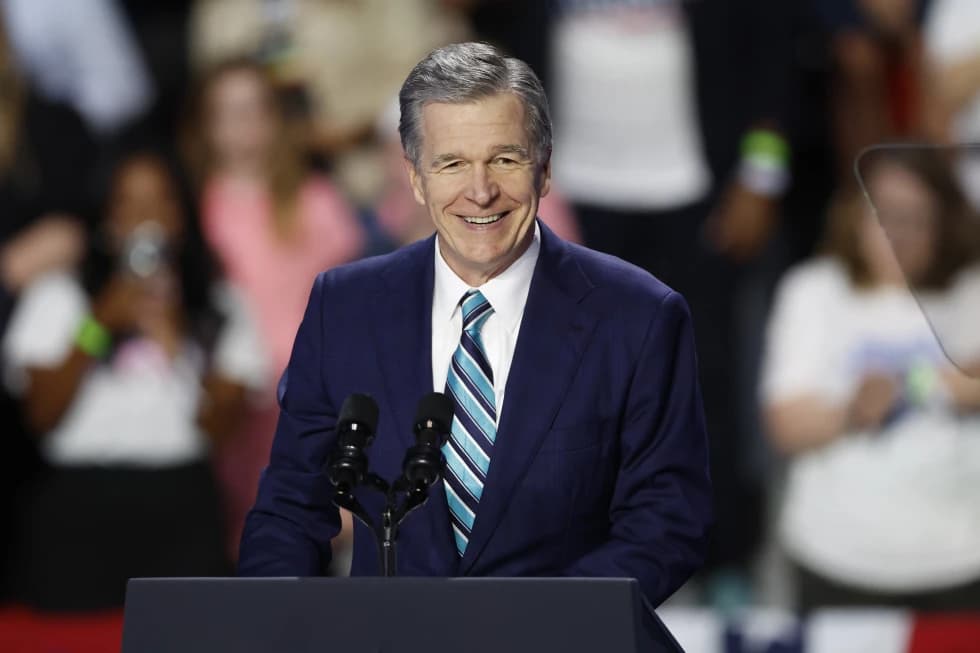
The largest movement appears to be in the North Carolina Senate race. In the latest polls from Change Research and TIPP, former Democratic Gov. Roy Cooper led former Republican National Committee Chairman Michael Whatley by 10 and 24 points. In the RealClearPolitics Average, Whatley trails by 9.6 points.
Current generic congressional ballot polls have Democrats ahead by 4.8 points, a 7.5-point swing from Republicans’ 2.7-point generic congressional ballot win in 2024. Since Trump carried North Carolina by 3.3 points, the current 13-point swing indicates the state is moving left faster than much of the country.
Both surveys were commissioned by Democratic firms, however. In addition, Whatley, who has not previously run for statewide office in North Carolina, faces a name recognition disadvantage that is unlikely to affect November results but may lead early polls to favor Cooper.
Still, these kinds of results are indicative of a state that may not be close in 2026. Betting markets agree with this analysis, giving Cooper a 79% chance to win.
In Georgia, the Republican primaries remain unsettled, but Rep. Mike Collins holds a clear lead. In the latest Quantus Insights poll, Collins led with 36%, compared with Rep. Buddy Carter at 11% and former football coach Derek Dooley at 9%. In the RCP Average, Collins leads by 11 points.
Although polls have not been conducted in several months for the general election matchup, the RCP Average shows a much closer race than in North Carolina, with incumbent Sen. Jon Ossoff leading Collins by 2.3 points. His lead against Carter and Dooley was slightly larger, at 3.6 and 6 points, respectively.
Prediction markets still view Ossoff as the favorite, where he holds a 81% chance to win.
Georgia will also hold a gubernatorial race in 2026, where recently entered candidate businessman Rick Jackson led the Republican primary by 16 points in a Quantus Insights poll with 32.6%, followed by Lt. Gov. Burt Jones at 16.9% and Georgia Secretary of State Brad Raffensperger at 8.2%. Quantus noted that the early lead might not hold, writing that “early leads can be a function of novelty, name recognition, or a temporary ‘first look’ bump.”
Polls indicate Former Atlanta Mayor Keisha Lance Bottoms will be the likely winner of the Democratic primary nomination. The head-to-head matchup will likely be closer than the other two races, since neither candidate is an incumbent or has previously won statewide office, unlike in the two Senate contests. Betting markets view the race as closer to a toss-up, with a 56% chance that the Democratic candidate wins.
State of Union
.